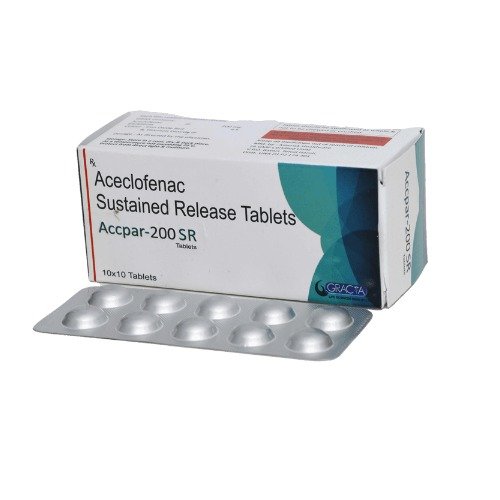
Aceclofenac
Aceclofenac is a non-steroidal anti-inflammatory drug (NSAID) used to relieve pain and inflammation in conditions such as arthritis, joint pain, muscle pain, back pain, and sprains. It works by blocking the production of prostaglandins, which are responsible for pain and swelling. Aceclofenac is known to be gentler on the stomach compared to some other NSAIDs, but it should still be taken after food and only as prescribed by a doctor.
Aceclofenac is a commonly prescribed medicine that belongs to the class of drugs known as non-steroidal anti-inflammatory drugs (NSAIDs). It is mainly used for relieving pain, reducing inflammation (swelling), and improving mobility in various musculoskeletal and joint-related conditions.
Aceclofenac is widely used in the treatment of osteoarthritis, rheumatoid arthritis, ankylosing spondylitis, back pain, neck pain, shoulder pain, muscle pain, sprains, strains, sports injuries, and pain after dental or surgical procedures. It is particularly helpful in chronic inflammatory conditions where long-term pain and stiffness affect daily activities and quality of life.
Aceclofenac works by inhibiting the cyclooxygenase (COX) enzymes that are involved in the production of prostaglandins. Prostaglandins are chemical messengers that cause pain, inflammation, and swelling at the site of injury or disease. By reducing their production, aceclofenac helps relieve pain and inflammation, leading to improved movement and comfort.
Aceclofenac is available in tablet and capsule forms, often as immediate-release or sustained-release preparations. It is also sometimes combined with other medicines such as paracetamol or muscle relaxants for better pain control. The dosage depends on the severity of pain, the patient’s age, and overall health condition. It is usually recommended to take aceclofenac after meals to minimize stomach-related side effects.
Compared to some other NSAIDs, aceclofenac is considered to have a better gastrointestinal tolerability, meaning it is less likely to cause severe stomach irritation. However, it can still cause side effects such as indigestion, nausea, stomach pain, heartburn, dizziness, or headache. Rarely, long-term use may increase the risk of stomach ulcers, bleeding, liver enzyme elevation, kidney problems, or cardiovascular issues.
Aceclofenac should be used with caution in elderly patients, people with a history of stomach ulcers, heart disease, high blood pressure, liver or kidney disease, and in pregnant women, especially during the later stages of pregnancy. It should always be taken under medical advice and for the shortest effective duration.
Overall, aceclofenac is an effective and well-tolerated anti-inflammatory and pain-relieving medicine that helps manage chronic and acute pain conditions and improves patient comfort and mobility when used responsibly.