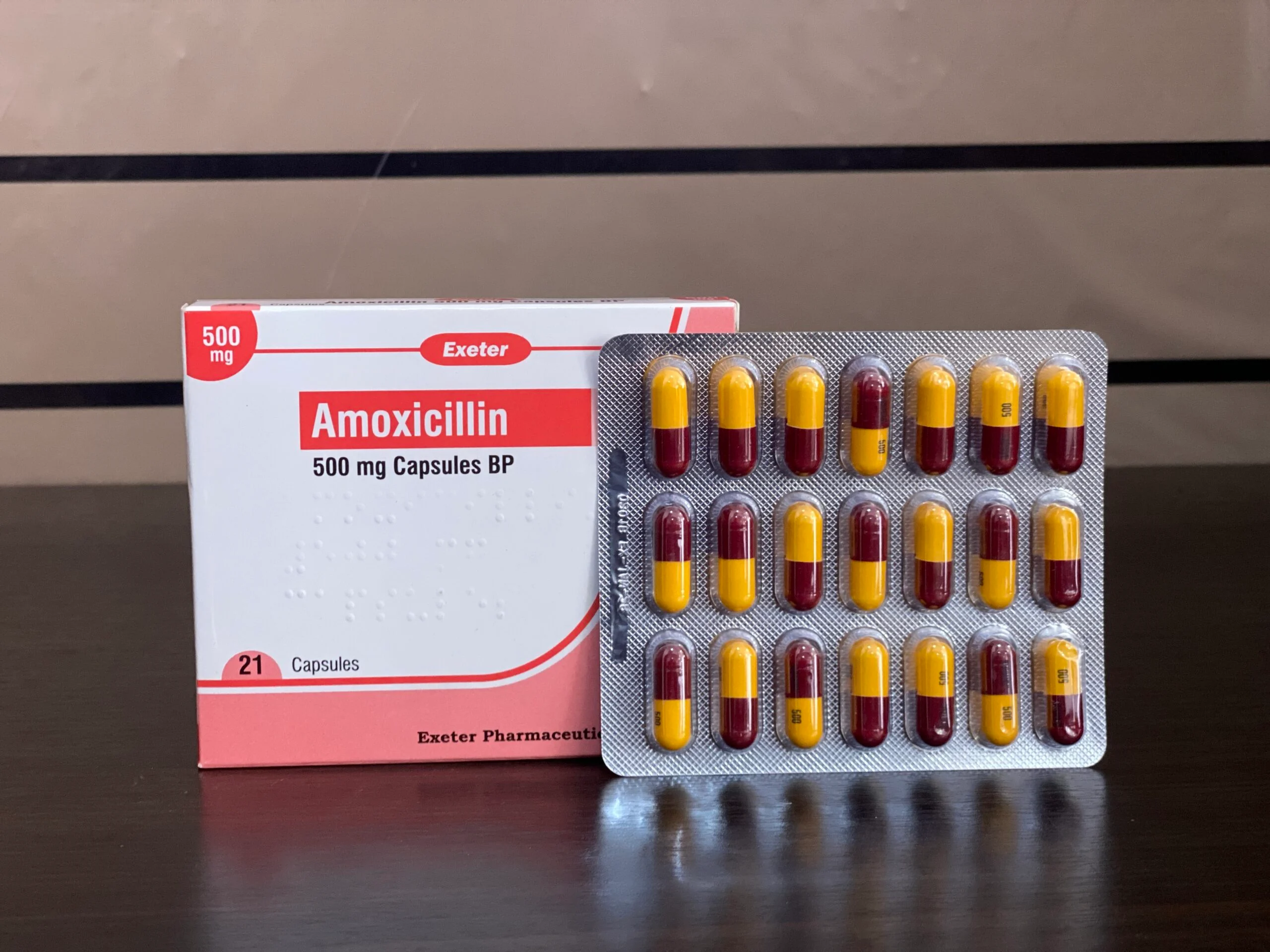
Amoxicillin
Amoxicillin is a broad-spectrum antibiotic used to treat bacterial infections such as throat infections, ear infections, sinusitis, chest infections, urinary tract infections, and skin infections. It works by stopping the growth of bacteria by damaging their cell walls. Amoxicillin is effective, commonly prescribed, and generally well tolerated, but it should always be taken for the full prescribed course to prevent antibiotic resistance.
Amoxicillin is a widely used antibiotic belonging to the penicillin group of medicines. It is a broad-spectrum antibiotic, meaning it is effective against a wide range of bacteria. It is commonly prescribed to treat bacterial infections of the respiratory tract, ear, nose, and throat, urinary tract, skin, gastrointestinal tract, and dental infections.
Amoxicillin is often used to treat conditions such as tonsillitis, pharyngitis, sinusitis, ear infections (otitis media), bronchitis, pneumonia, urinary tract infections, skin and soft tissue infections, and infections following dental procedures. It is also used in combination with other medicines to treat Helicobacter pylori infection, which causes stomach ulcers.
Amoxicillin works by interfering with the formation of the bacterial cell wall. Without a proper cell wall, bacteria cannot survive, grow, or multiply, which leads to their destruction and helps the body eliminate the infection.
It is available in various forms such as capsules, tablets, chewable tablets, oral suspension (syrup) for children, and injections in hospital settings. The dosage depends on the type and severity of infection, the patient’s age, body weight, and kidney function. It is important to take amoxicillin exactly as prescribed and to complete the full course, even if symptoms improve early.
Amoxicillin is generally well tolerated. Common side effects may include nausea, vomiting, diarrhea, stomach upset, or skin rash. Rarely, allergic reactions such as itching, swelling, breathing difficulty, or severe rash can occur, which require immediate medical attention.
People who are allergic to penicillin or cephalosporin antibiotics should not take amoxicillin. It should be used with caution in people with kidney disease, mononucleosis (as it can cause a rash), or a history of drug allergies.
Overall, amoxicillin is a safe, effective, and trusted antibiotic that plays an important role in treating bacterial infections when used correctly and responsibly under medical guidance.