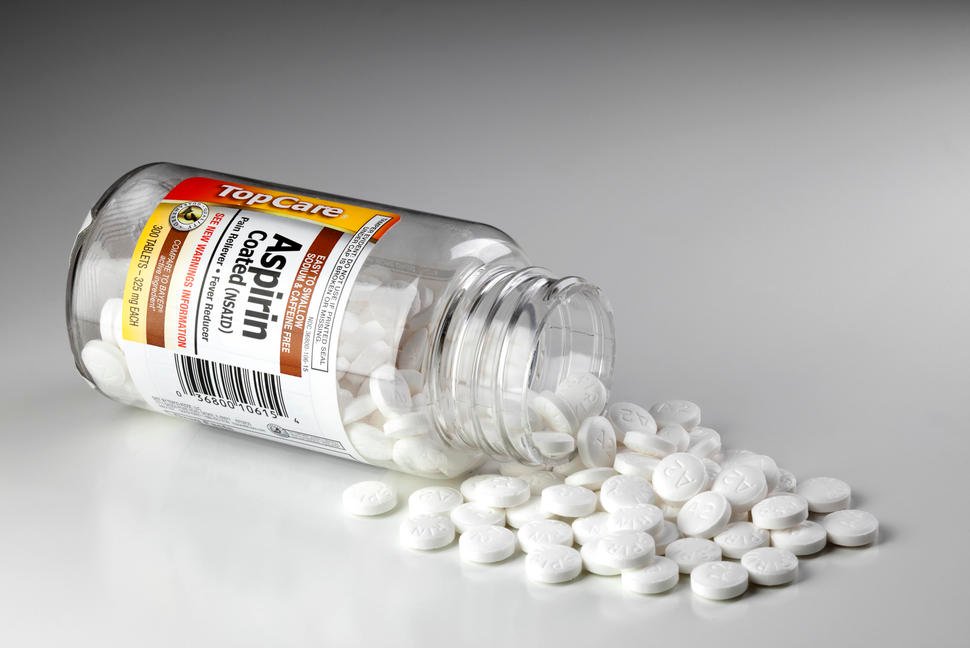
Aspirin
Aspirin (acetylsalicylic acid) is a medicine used to relieve pain, reduce fever, and decrease inflammation. It is also commonly used in low doses to prevent blood clots and reduce the risk of heart attack and stroke. Aspirin works by blocking substances in the body called prostaglandins and by reducing platelet clumping in the blood. It should be taken after food to avoid stomach irritation and should be used carefully, especially in people with stomach ulcers, bleeding disorders, or in children due to the risk of Reye’s syndrome.
Aspirin, scientifically known as acetylsalicylic acid, is one of the oldest and most widely used medicines in the world. It belongs to a group of drugs called non-steroidal anti-inflammatory drugs (NSAIDs) and is used for its pain-relieving, fever-reducing, anti-inflammatory, and blood-thinning properties.
Aspirin is commonly used to treat mild to moderate pain such as headaches, toothache, muscle pain, joint pain, back pain, and menstrual cramps. It is also effective in reducing fever and relieving symptoms of cold, flu, and viral infections. In addition to these uses, aspirin is widely prescribed in low doses (usually 75–150 mg daily) to prevent blood clots in people who are at risk of heart attack, stroke, or other cardiovascular problems.
Aspirin works by blocking the activity of cyclooxygenase (COX) enzymes, which are responsible for producing prostaglandins. Prostaglandins cause pain, inflammation, and fever. Aspirin also blocks the production of thromboxane A2 in platelets, which prevents platelets from sticking together and forming clots. This anti-platelet effect is what makes aspirin useful in preventing heart attacks and strokes.
Aspirin is available in many forms including tablets, chewable tablets, effervescent tablets, and enteric-coated tablets that are gentler on the stomach. The dosage and form depend on the medical condition being treated and the patient’s age and health status.
Although aspirin is very effective, it can cause side effects such as stomach irritation, heartburn, nausea, and an increased risk of stomach ulcers and bleeding, especially with long-term use. It can also increase the risk of bleeding elsewhere in the body because it thins the blood.
Aspirin should be used cautiously in people with a history of stomach ulcers, bleeding disorders, asthma triggered by NSAIDs, kidney or liver disease, and in pregnant women, especially in the last trimester. It should not be given to children or teenagers with viral infections due to the risk of Reye’s syndrome, a rare but serious condition.
Overall, aspirin is a versatile and valuable medicine that plays an important role in pain relief, fever control, inflammation reduction, and cardiovascular protection when used appropriately and under medical guidance.